JIS

JIS G3444 Seamless carbon steel pipe for structural use
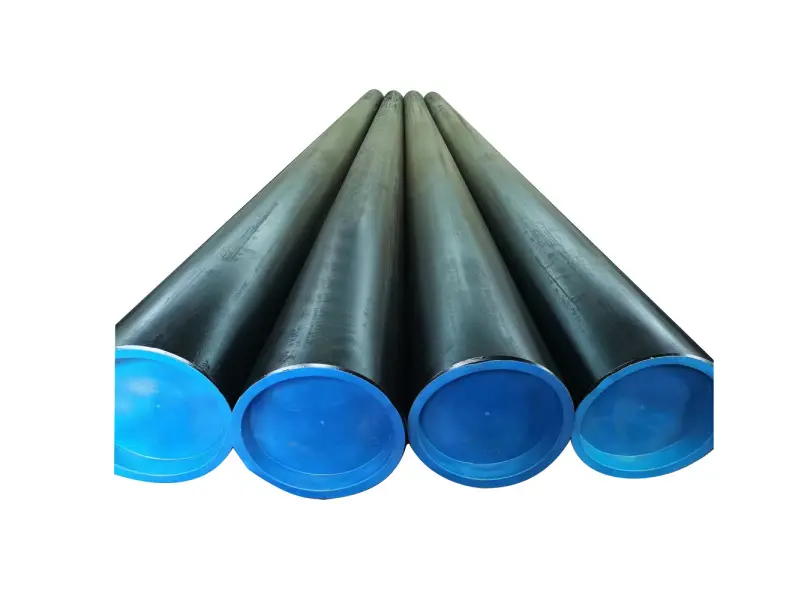
Pipes to JIS G 3444 are seamless carbon steel tubes for structural use, which can be formed by bending, crimping and similar processes, and are also suitable for welding operations.
View More →

JIS G3445 Seamless carbon steel pipe for mechanical structures
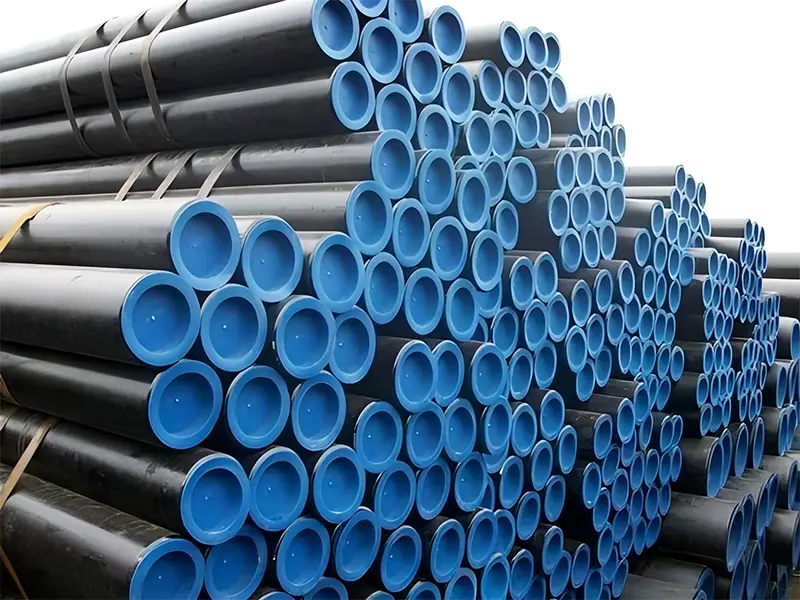
JIS G 3445 steel pipe is a seamless carbon steel pipe for mechanical structure, which can be formed by bending, crimping and similar processes, and is also suitable for welding work.
View More →

JIS G3454/3455/3456 Carbon steel tubes for pressure/High pressure/Temperature applications
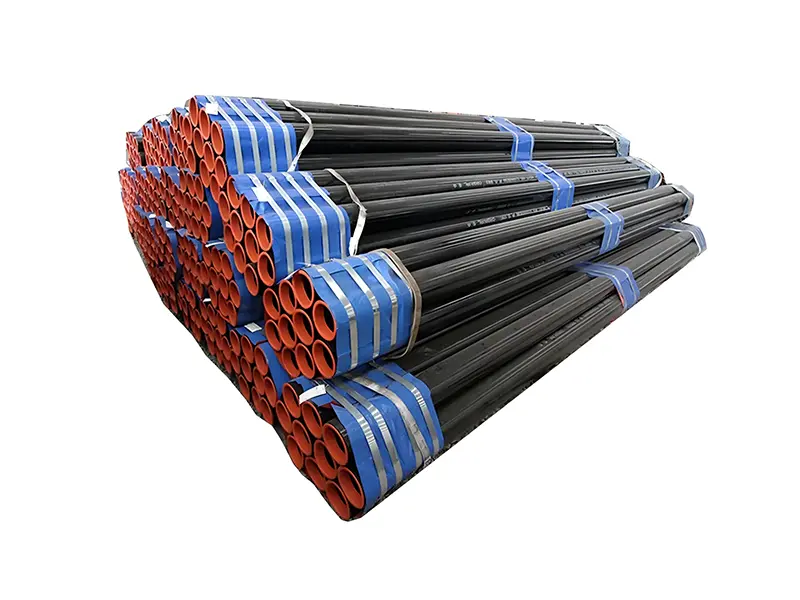
Pipes according to JIS G 3454/3455/3456 are seamless carbon steel pipes suitable for welding and threading, and can be formed by bending, crimping and similar processes, and are also suitable for welding. Pipe material grades (chemical composition) are STPG370, STPG410 of JIS G 3454; STS370, STS410, STS480 of JIS G 3455 and STPT370, STPT410, STPT480 of JIS G 3456 and are manufactured by either hot forming or cold drawing process.
View More →

JIS G 3460 Seamless steel pipe for low temperature use

JIS G 3460 tubes are seamless tubes for low-temperature applications and can be formed by bending, crimping and similar processes, and are also suitable for welding. The carbon steel material grade (chemical composition) of the pipe is STPL 380 and is manufactured by hot forming or cold drawing.
View More →

JIS G 3461 Carbon steel seamless steel pipe for boiler and heat exchanger
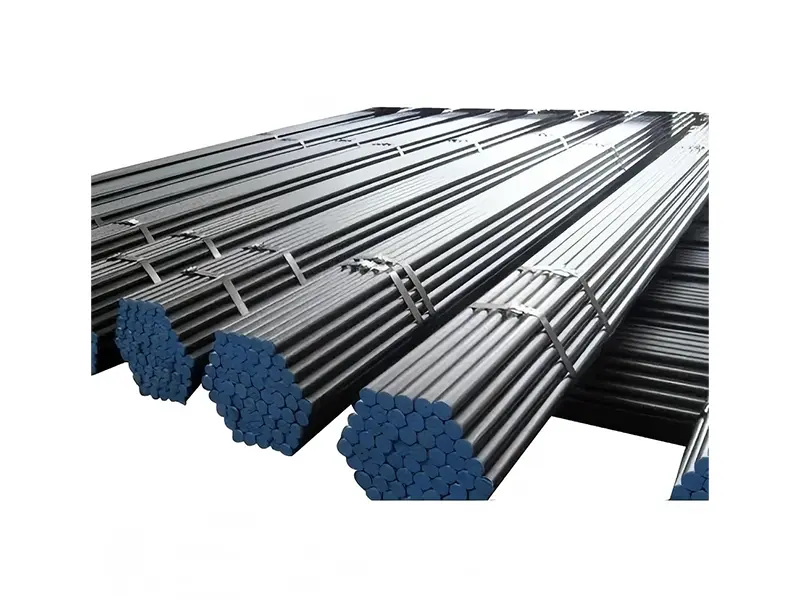
JIS G 3461 steel pipe is a carbon steel seamless pipe for boilers and heat exchangers, which can be bent, crimped and similar processing and forming, and is also suitable for welding operations. Steel pipe material grades (chemical composition) are divided into STB340, STB410 and STB510, which are manufactured by thermoforming or cold drawing process.
View More →

JIS G 3462 Alloy steel seamless tubes for boilers and heat exchangers

Typically used in the construction of petroleum and petrochemical refineries, power plants, boilers and ships that transport fluids and gases with high temperatures and pressures.
View More →
< 1 > proceed page

Hi

Contact an expert for answers now!